










Type 1 Technology and Resources

We're living in a time where technology is developing at a significant rate and there are huge advances being made in tech to help type 1 diabetes management. This page is dedicated to bringing you information on Type 1 Technology and we'll be adding more resources soon for you to use, share and signpost and we'll let you know when they're available.

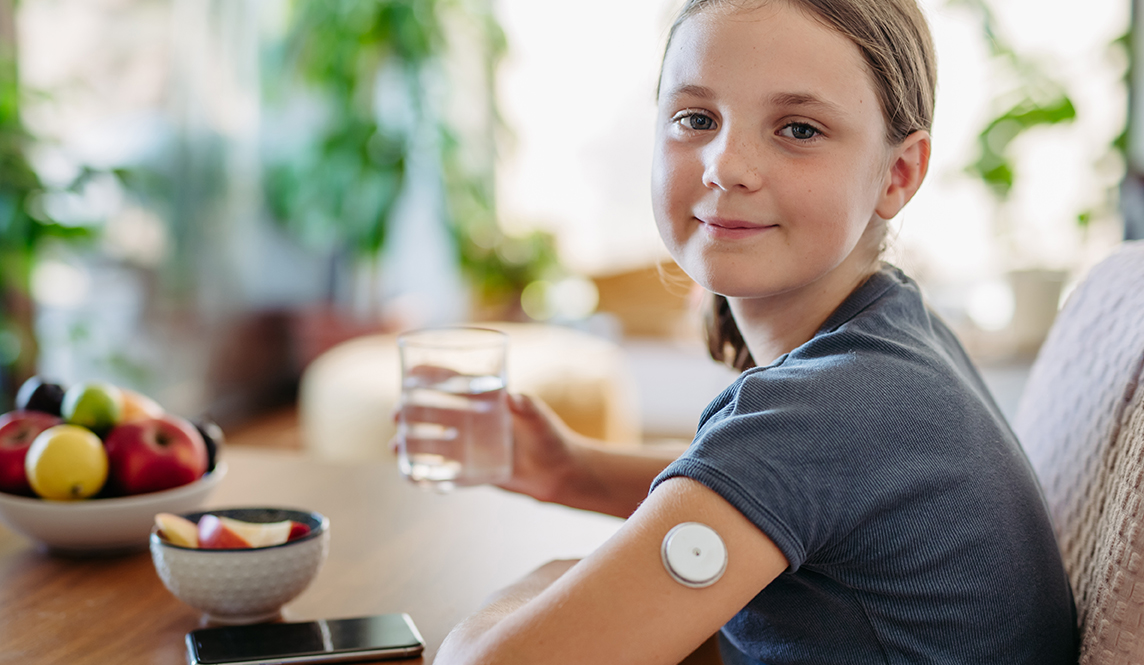
A young girl looks at the camera and smiles whilst wearing a CGM
arabic language logo
Arabic
bengali language logo
Bengali
chinese language logo
Chinese
polish language logo
Polish
somali language logo
Somali
tamil language logo
Tamil
urdu language logo
Urdu
spanish language logo
Spanish
french language logo
French
ukranian language logo
Ukrainian
punjabi language logo
Punjabi
BSL language logo
BSL

Our Tech Page Sponsors

This page is dedicated to bringing you information on Type 1 Technology and is sponsored by Abbott, Dexcom, Insulet, Medtronic, MyLife Diabetescare and Air Liquide Healthcare.

To find out more about what they do and their different technologies, click on their logo below and you’ll be taken to their sponsors’ page.

icon of an insulin pump

Insulin Delivery Systems

  • Pen Injections
  • Tethered/Tubed Pumps
  • Patch Pumps
  • Connected Pens
  • I-Port Advance
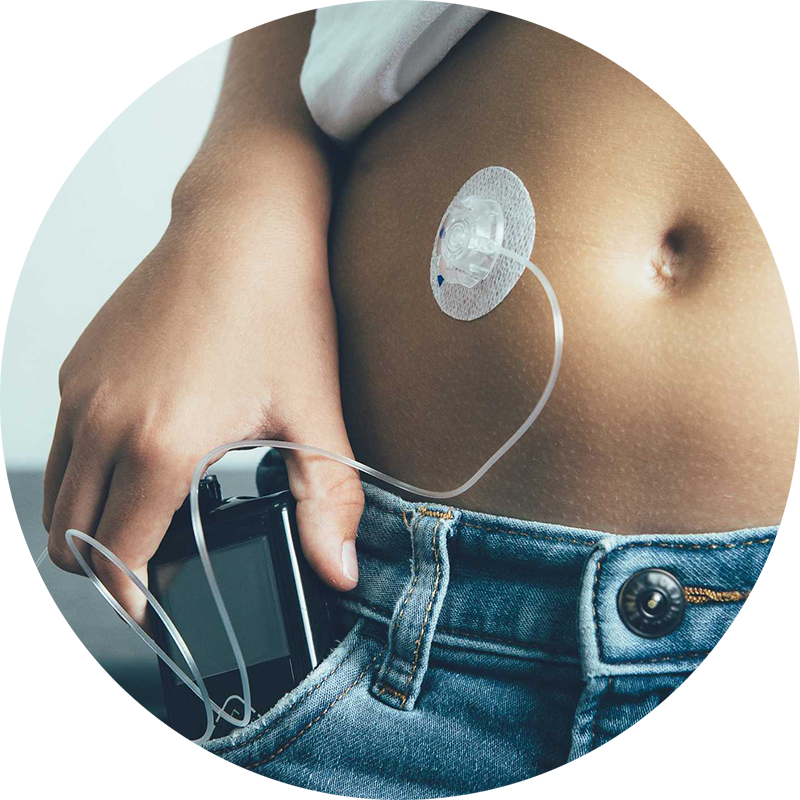
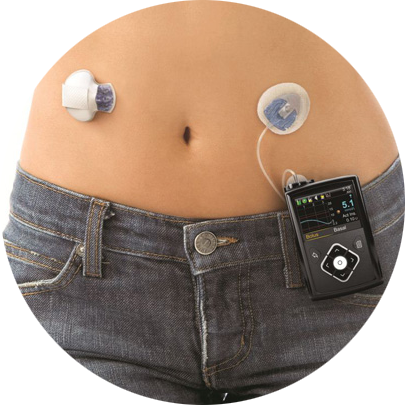
tethered pump being worn by person

Tethered/Tubed Pumps

Insulin is delivered from a small pump device through a tube into a cannula, which sits just under the skin and has to be replaced every 2-3 days. Controlled using the insulin pump and/or a handheld pump device.
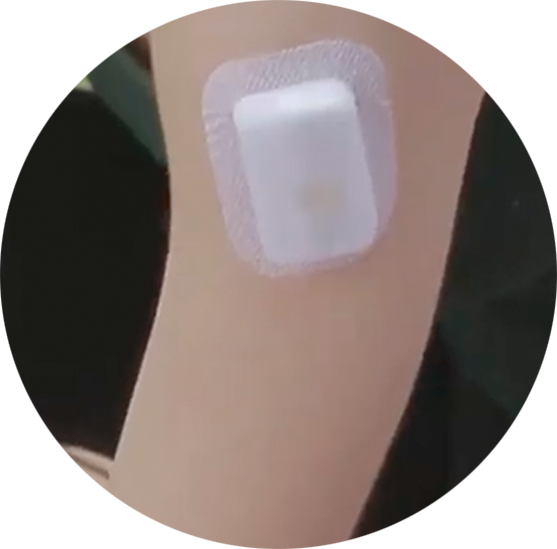
patch pump on arm

Patch pumps

Insulin held in a small pod/patch connected to a cannula and attached to the skin, which needs to be changed every 2-3 days. Controlled via handheld device connected by Bluetooth.
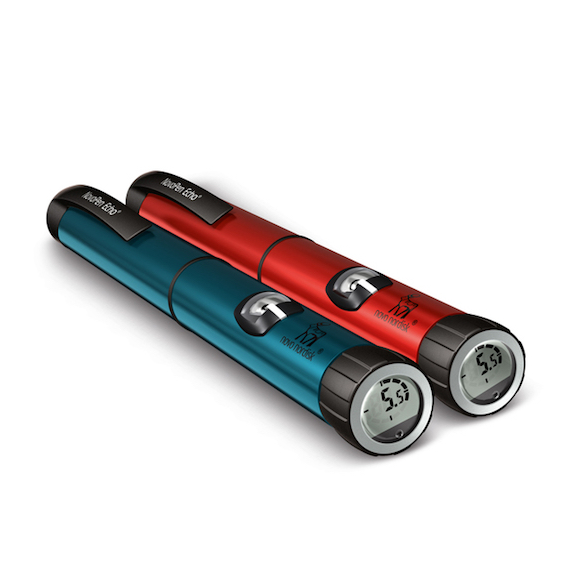
2 connected pens next to each other

Connected Pens

Insulin is injected into the skin through a needle. Data is held in the pen and can be uploaded for review.

icon of a glucose monitor/phone

Glucose Monitoring Systems

  • Finger Prick Monitoring
  • Continuous Glucose Monitoring (CGM) Read more
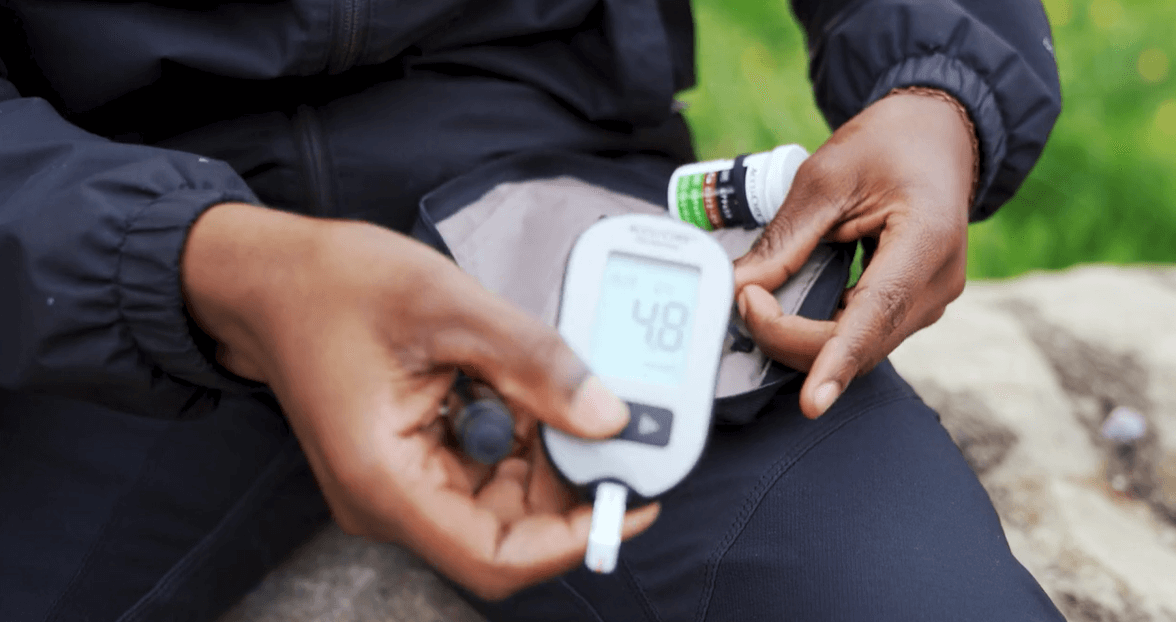
A person is monitoring glucose with a glucose monitor

Glucose Monitoring

Also known as intermittent CGM (ICGM). A small sensor reads glucose level in interstitial fluid and when scanned with reader or phone gives glucose reading and pattern of previous 8 hours. Alarms can be set for high and/or low readings and/or signal lost’ (only Libre2)

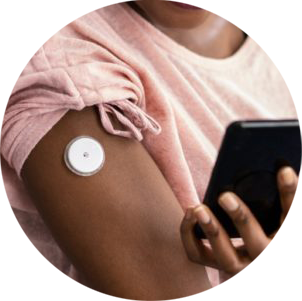
A CGM on someones arm

Continuous Glucose Monitoring

A small sensor reads glucose level in interstitial fluid and automatically sends realtime data to reader or phone to be viewed at any time. Options to set alarms for high and/or low readings. Some CGM devices can also be used as part of a hybrid closed loop system.

A boy is monitoring his glucose with a glucose monitor

Finger Prick Monitoring

Finger prick monitoring systems comprise of a reader and a strip which is inserted into the reader to measure the blood glucose level.  A finger is pricked by an finger pricker to produce a drop of blood, the strip is brought into contact with the blood and the reader then measures the blood glucose level.

Flash: Abbott (Libre 2)
CGM: Medtronic (Guardian connect), Dexcom (Dexcom One G6 and G7) Abbott (Libre 2, 2+ and 3)

Learn more
icon of HCL

Hybrid Closed Loop Systems

  • Hybrid Closed Loops
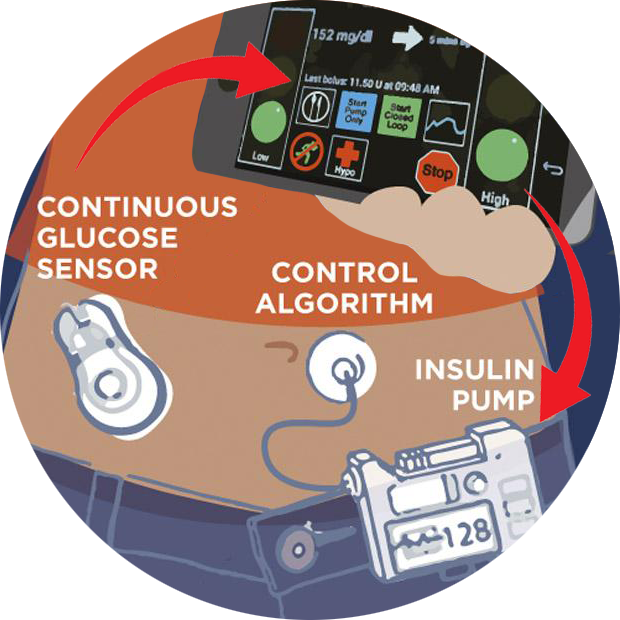
A diagram showing a pump, a phone and a CGM

A pump working together with a CGM.

Not all combinations of pump/CGM available.


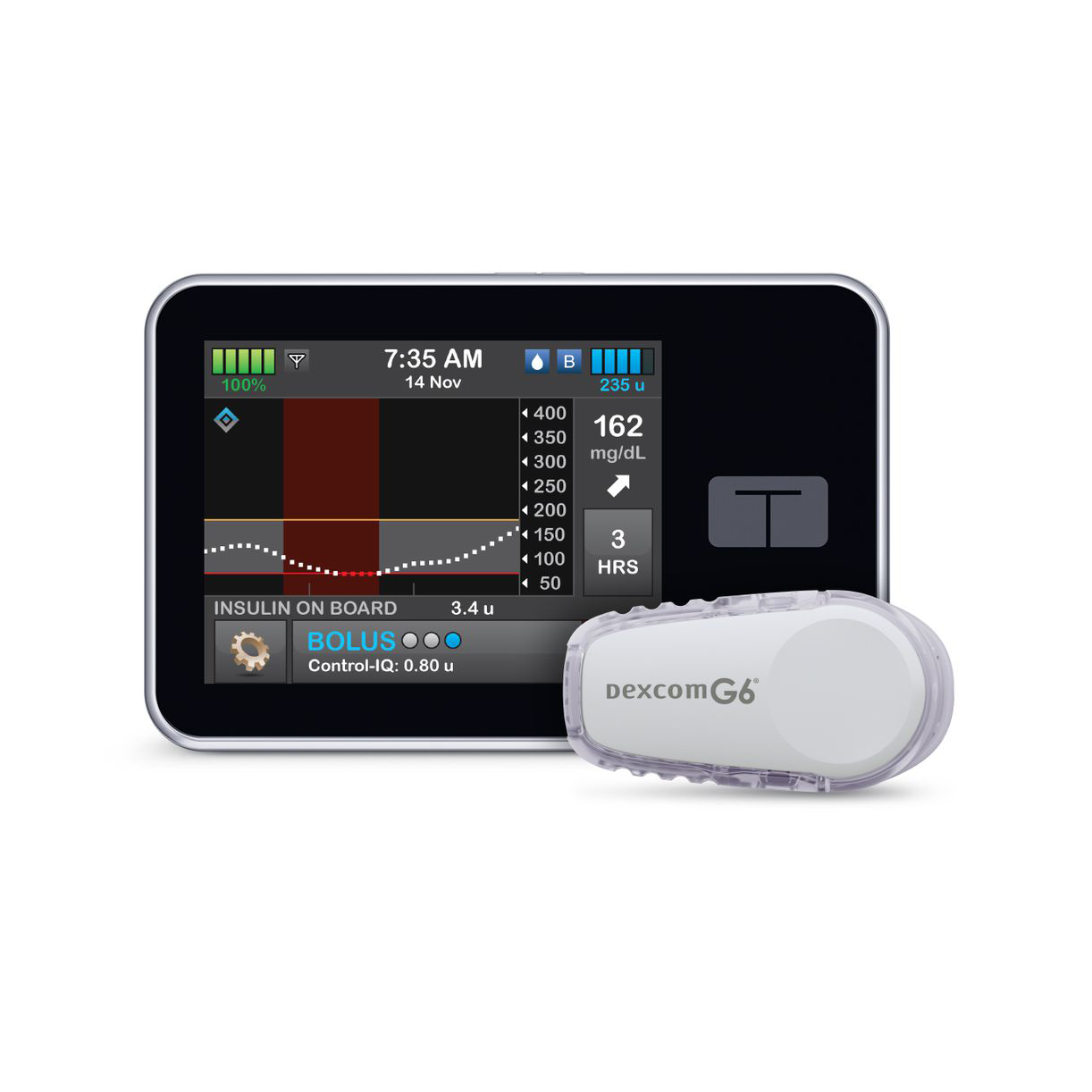
A pump and a CGM

Insulin is delivered via a pump under the control of data coming from the CGM via an algorithm which is either held within the pump or on a phone app.

A person wearing a pump and a CGM

Insulin is automatically adjusted based on the predicted glucose levels. The individual still needs to enter the carbohydrates and let the pump know when activity / exercise is taking place so that adjustments to insulin can be made.

Guardian 4, GuardianLink, Libre2+ and 3, Dexcom G6 and G7, Simplera Sync CamAPS FX, Medtronic 780G/MiniMed 780G, Dana, Tandam, Ypsopump, T:slim x2, Omnipod5.

Learn More
icon of up arrow in circle

Data Uploading

  • Hand Written Diary
  • Generic
  • Industry Generated
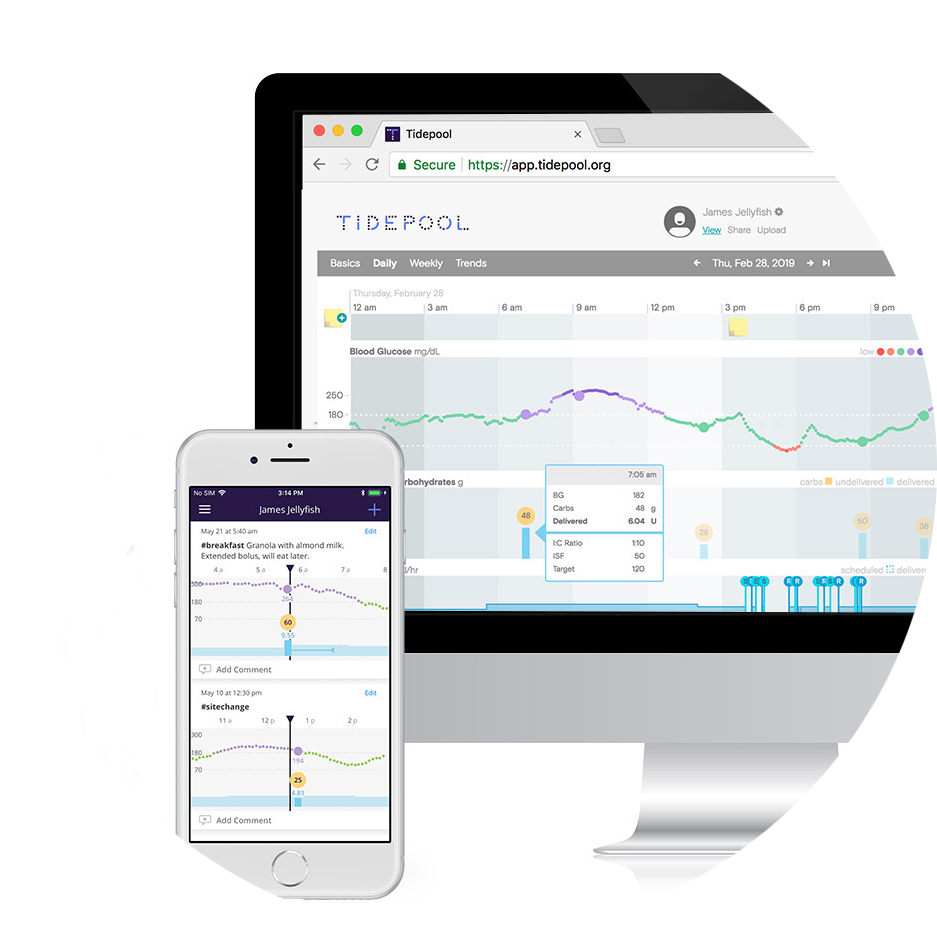
A computer and a phone showing some data

Why is uploading Data important?

Uploading data gives the individual/ family and diabetes team valuable information to support diabetes management decisions and to help make informed insulin and treatment adjustments.

A computer and a phone showing some data

Generic

Generic data analysis systems speed up the efficiency of diabetes teams by reducing the number of software packages needed to view data in clinics. However, not all devices are compatible with generic systems.

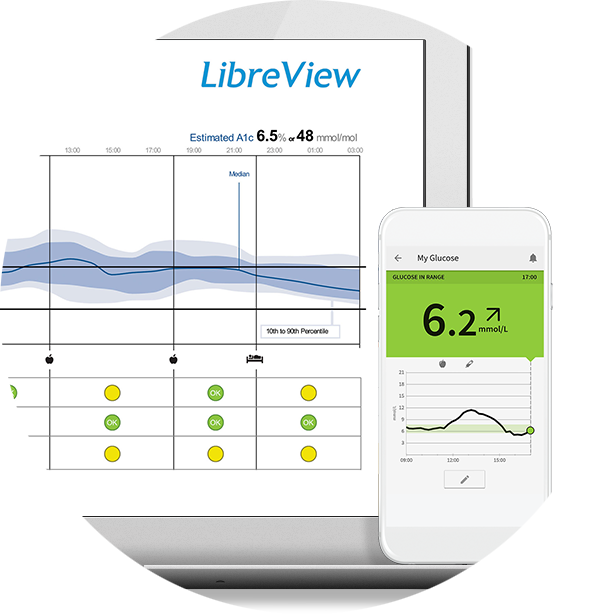
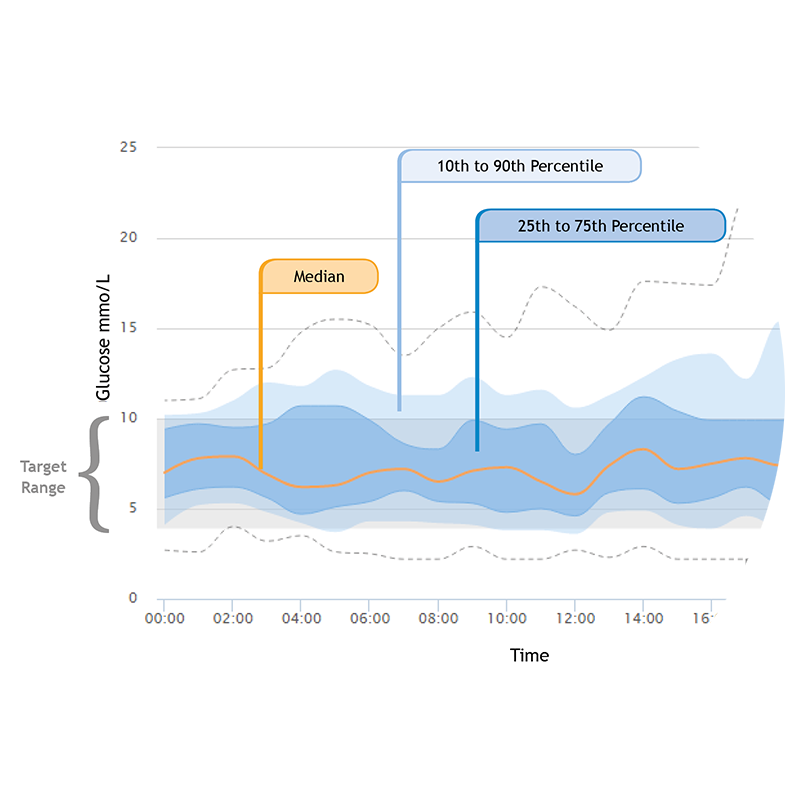
A chart displaying some data

Industry Generated

Industry developed systems allow upload of individual company devices for personal self management and to share data with medical teams.

All offer extensive and similar reporting options

Tidepool, Glooko, Dexcom Clarity, LibreView, Carelink.

Learn More

If you are wanting to know how to access technology or what technology is available to you then the following guides may help you start the conversation with your diabetes team:

Type 1 Diabetes : A Consensus Guideline

NICE NG18 (in particular sections 1.2.62-64)

Please find below some films and resources that discuss & explain more about diabetes technologies.

What Parents Say About Technology

In this film, parents talk about the pros and cons of diabetes technology.

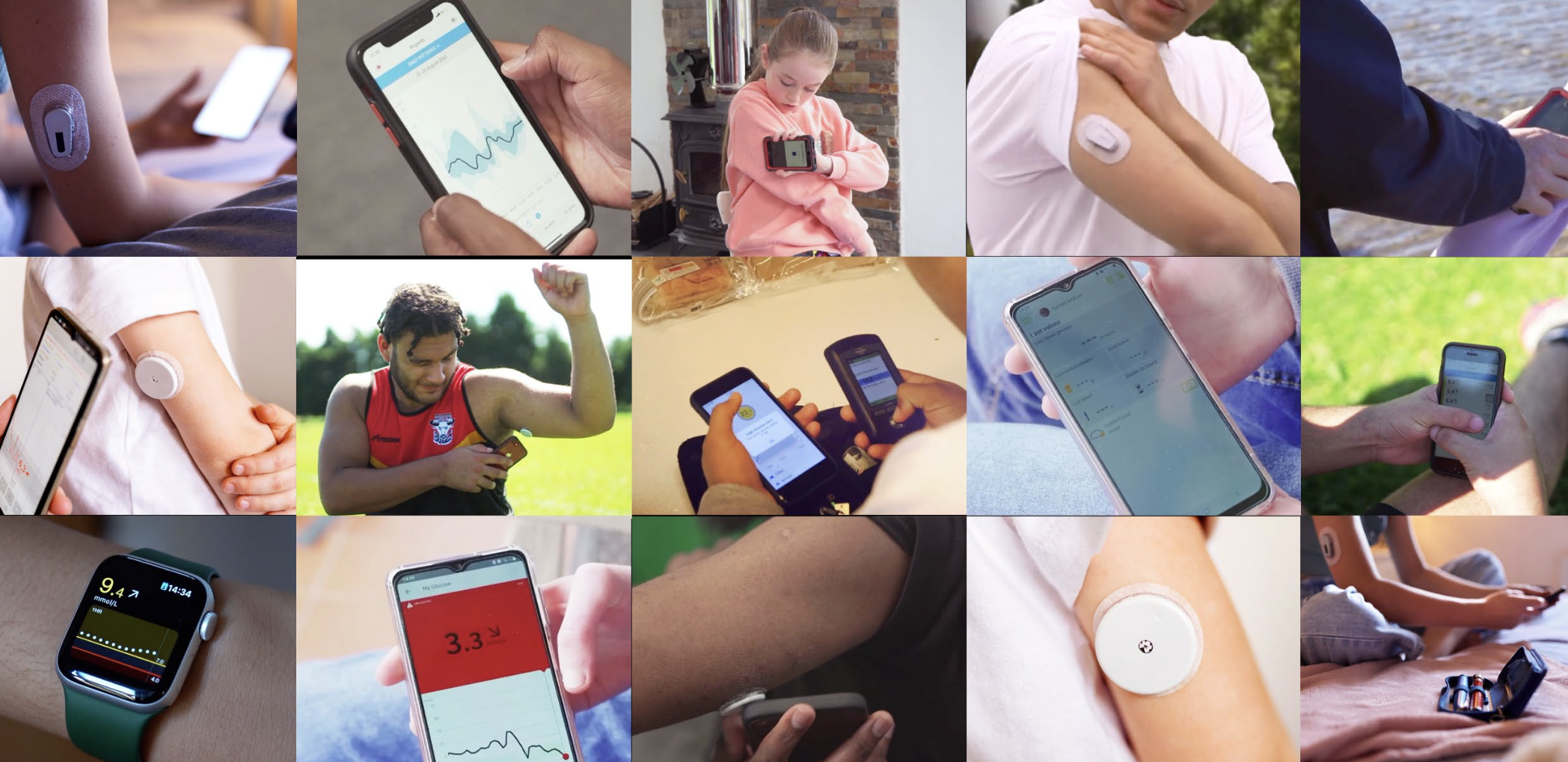
T1D Is a Part of Me - My Life Enabled By Technology

In this film, a group of young people share how technology helps them manage their type 1 diabetes

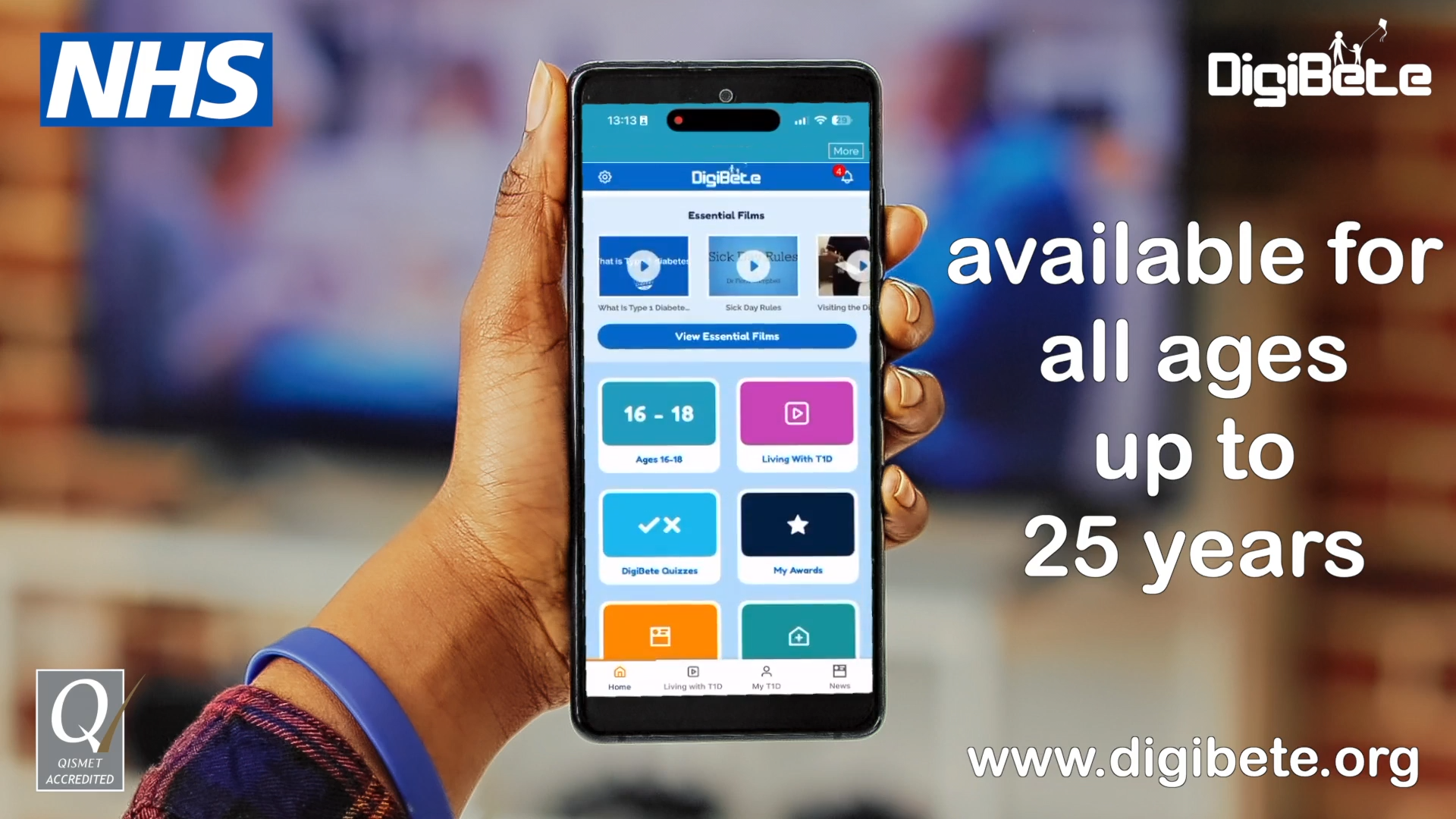
The DigiBete App

The DigiBete App, a comprehensive diabetes self-management platform designed to support people with Type 1 diabetes.

Making Sense of Diabetes Technology

This workbook will help if you need to understand more about diabetes technology. If you require a different language, the workbook can be found in each language section.